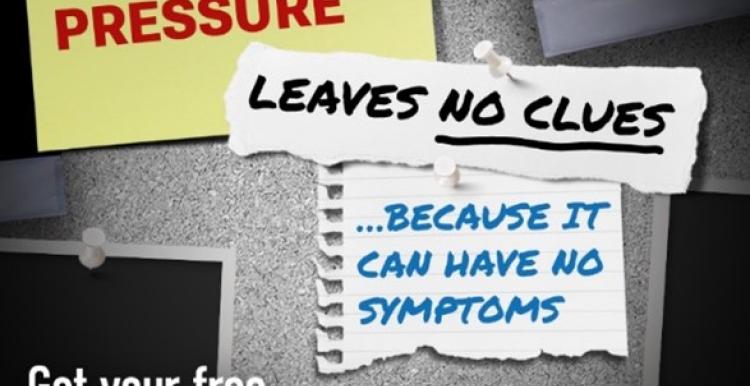
High blood pressure is the largest known single modifiable risk factor for cardiovascular disease (CVD) which can lead to heart attacks, strokes and dementia. CVD causes 1 in 4 deaths in England - around one death every four minutes and is a leading cause of disability.
As the condition usually has no symptoms, it is estimated that 4.2 million people in England have undiagnosed high blood pressure. The only way to know if you have high blood pressure is to get a blood pressure test, which is a free, simple, non-invasive procedure.
If you're aged 40 and over, you can get a free blood pressure check at your local participating pharmacy, without needing to book in advance.
Share this article
Take five minutes to share your experiences
NHS and social care staff are doing everything they can to keep us well during these challenging times, but there might be things that can be improved for you and your loved ones, both in the area you live in and across the country.
As schools break up for half term, health chiefs in the Black Country are encouraging parents and carers to ensure their children are up to date with their routine vaccinations at a local catch-up clinic.
School holidays provide a convenient opportunity for families to attend appointments, helping ensure children are protected against a range of serious but preventable diseases, while minimising disruption to their education.
Vaccinations remain one of the most effective ways to protect children from illnesses such as measles, meningitis, diphtheria, tetanus and polio. They also play a vital role in preventing the spread of infection within schools and the wider community.
Sally Roberts, Chief Clinical and Quality Officer for NHS Black Country Integrated Care Board (ICB) said: "Half-term is an ideal time for parents and carers to check their child’s vaccination record and get any missed vaccines booked in. Keeping up to date with vaccinations helps protect not only your child, but also their classmates, families and the wider community.
“If your child has missed any of their vaccinations, a series of local catch-up clinics hosted by Vaccination UK are available across the Black Country.”
Child vaccines available at catch-up clinics include:
• MMR (Measles, Mumps, Rubella)
• MenACWY (Meningitis A, C, W, Y)
• DTaP/IPV (Diphtheria, Tetanus, Pertussis / Polio)
• HPV (Human Papillomavirus, where age-appropriate).
If you’re unsure what your child needs, the team can advise you when you book.
The clinics are being held at a range of locations across the Black County, these are:
Dudley
28 March 2026, 9am to 2pm
Oakfield Community Centre, 245 Brettell Ln, Brierley Hill, Stourbridge DY5 3LT
email: dudley@vaccinationuk.co.uk
phone: 01384 431 71
Walsall
1 April 2026, 9.30am to 1.30pm
Anchor Meadow Health Centre, Walsall Rd, Walsall Wood, Walsall WS9 9AJ
email: walsall@vaccinationuk.co.uk
phone: 01922 902 035
Wolverhampton
7 April 2026, 9.30am to 1.30pm
Children's Village Family Hub, Graiseley Ln, Wolverhampton WV11 1PE
email: wolverhampton@vaccinationuk.co.uk
phone: 01902 200 077
Walsall
18 April 2026, 9am to 1pm
South and Central Locality Hub, Birchills St, Walsall WS2 8NF
email: walsall@vaccinationuk.co.uk
phone: 01922 902 035
The clinics will be staffed by trained healthcare professionals from Vaccination UK who specialise in childhood vaccinations and follow all necessary safety protocols. Children will need to be accompanied by a parent or guardian.
Appointments are required for all clinics. Parents and carers are encouraged to contact their local team via phone or email to book as soon as possible.
Residents in Birmingham, the Black Country and Solihull are being reminded to order any repeat prescriptions ahead of the Easter bank holiday.
GP practices and pharmacies will have limited opening hours over the Easter period, and many will be closed from Friday 3 April to Monday 6 April, making it more challenging for patients to access medicines at short notice.
NHS 111 sees an increase in people getting in touch about repeat prescriptions over bank holiday periods, which can put additional pressure on already busy services. Residents should plan ahead if they have regular medicines on repeat prescription by checking that they have enough to last them over the bank holiday weekend, and by ordering their repeat prescriptions by Wednesday 25 March if they are due for renewal.
This will help ensure that health is not put at unnecessary risk, delays are minimised, and enough time is given for requests to be processed and dispensed.
Most repeat prescription requests can be made online, via local practice websites or through the NHS App. Residents without internet access can approach their GP practice. For help on how to order a repeat prescription go to How to order a repeat prescription - NHS.
Sukhy Somal, ICS Head of Community Pharmacy Clinical Services for NHS Black Country Integrated Care Board (ICB), said: “As GP practices and pharmacies will have limited opening hours over the Easter bank holiday, it’s important that people are prepared and get their repeat prescription orders in early. This helps avoid running out of medicines and reduces stress over the long weekend. Prescriptions can be requested easily through the NHS App, where they can also choose a convenient pharmacy close to them.”
Shalina Anwar, ICS Community Pharmacy Clinical Lead for NHS Birmingham and Solihull Integrated Care Board (ICB), said: “During the Easter bank holiday, pharmacies can help you stay well. Pharmacists are healthcare professionals that can provide help, advice and treatment, if appropriate, for seven common illnesses through the Pharmacy First scheme, without the need for an appointment. They can also advise residents on the best treatments they should have in their home medicine cabinets for common illnesses, so they are well stocked.”