Skip to main content Go to full content index
Home
Open search

Header menu

  • Contact us

Main navigation

  • Have your say
    • Have your say
    • Key projects
  • News & reports
  • Get involved
    • Ways to get involved
    • Volunteer
    • Events
    • Have your say
    • Work with us
    • Youth Healthwatch
    • 1st Friday Focus
  • What we do
    • About us
    • Our board
    • Our staff
    • Our impact
  • Advice & information
    • General advice
    • Find services
    • Help making a complaint
    • Coronavirus: advice and guidance
Enter the terms you wish to search for.

News and reports

Accessing NHS services during the festive season

Ahead of the festive period people in the Black Country are being reminded how to access health services.
Due to the Christmas and New Year Bank Holidays, some services such as GP surgeries and pharmacies may be closed or operating reduced opening hours.

A number of pharmacies across the Black Country will be open for periods of time on Christmas
Day, Boxing Day and New Year’s Day. They can offer health consultations and provide free medication for many common health conditions without the need for a GP prescription under the Pharmacy First scheme. This includes coughs, urine infections, conjunctivitis, diarrhoea and indigestion.

People who need medical help that isn’t an emergency should contact NHS 111 in the first instance by visiting 111.nhs.uk or by calling 111.

NHS 111 can help direct people to the most appropriate local health service if they aren’t sure where to go – this could include an out of hours GP, a pharmacy, a local NHS walk-in centre, or a hospital accident & emergency (A&E) department.

Dr Ananta Dave, Chief Medical Officer for the NHS Black Country ICB, said: “No one wants to get ill over Christmas, but it’s really important to make sure you know where to go for urgent health advice and treatment over the festive period in case you or a loved one becomes unwell.

“A number of pharmacies will be open over the festive season and should be your first port of call for any minor illnesses. Pharmacists are qualified health professionals who can offer advice and medicines for a range of ailments. And, if symptoms suggest it’s something more serious, they have the right training to make sure patients get the help they need. “If you need medical help or have any health concerns over Christmas and New Year period, please do not be put off from seeking help. The NHS is here for you, and you should always seek help if you need it.”

If you or a loved one becomes unwell over the festive period and is in need of urgent health advice or treatment – particularly over the bank holidays when GP practices will be closed – contact NHS 111 by dialling 111 or visit 111.nhs.uk.

A&E departments and 999 are there to treat the most serious and life-threatening conditions.

19 December 2024
News

Order repeat prescriptions ahead of the festive period

People in the Black Country are being reminded to order any repeat prescriptions they
may need ahead of the festive season.

GP practices and pharmacies will have limited opening hours over the Christmas and New Year period, making it more challenging for people to access medicines at short notice.

Every bank holiday, NHS 111 sees an increase in people getting in touch about repeat prescriptions. Waiting and using emergency or urgent services over the festive break puts added pressure on already busy services.

To avoid this and to ensure health is not put at any unnecessary risk, people are being asked to submit any repeat prescriptions that are due for renewal in plenty of time before the festive period, to make sure there is enough time for them to be processed and dispensed.

Dr Ananta Dave, Chief Medical Officer for the NHS Black Country Integrated Care Board (ICB)
said: “Running out of your usual medication can have serious consequences, especially if you use it to manage a long-term health condition, and is the last thing you want to do while you’re celebrating with loved ones over the festive season.

“That’s why we’re reminding anyone who may need a repeat prescription to order them well ahead of the bank holiday period and not leave it until the last minute when pharmacies and GP practices are operating with limited opening hours.

“This can be a busy time of the year, especially in the build-up to Christmas, but it’s important that we also take time to think about our health and do what we can to stay well. Having a medicine cabinet at home with some simple over-the-counter remedies like paracetamol, ibuprofen, and anti-diarrhoea tablets is also recommended so you can treat any common illnesses or ailments yourself.”

Most repeat medication requests can be made online, via local practice websites or through the NHS App. People who do not use the internet can approach their practice to access their prescriptions.
16 December 2024
News

New Acute Respiratory Infection Hub opens for winter

A new acute respiratory hub has opened to provide specialised care for vulnerable and at risk children aged 0-12 years old with respiratory conditions.

The hub, which has been developed by the Walsall Together Partnership, is a GP led service which offers same-day face-to-face appointments, acute interventions, diagnostics, treatment and follow-up care in the community, if required, for children experiencing chronic respiratory issues such as asthma and respiratory syncytial virus (RSV).

It runs Monday to Friday, from 12.30pm until 6.30pm, for referrals from healthcare professionals working in general practice and aims to reduce the pressure on hospital admissions for ARI over the winter period.
Dr Anand Rischie, Associate Medical Director for Walsall Together, said: “Over the winter we tend to see a rise in respiratory infections and the hub will be key to helping us support the most vulnerable and at risk children across Walsall who are experiencing chronic respiratory conditions. It is just one of many initiatives the partnership is working on to collectively improve respiratory care for our younger generations who, with the right treatment and ongoing support, can help them manage their condition and prevent them from becoming ill in the first place.”

Feedback so far has been positive with one patient saying “The doctor was amazing and was so thorough with my child. She spoke to him not just me and made a normally scared two year old comfortable and at ease with the whole examination.”

The hub is part of a broader initiative by the partnership, which is also investing in several preventative measures to identify early signs of asthma expanding WHG's ACEing Asthma program, which supports families from disadvantaged communities to manage their condition and improving their living conditions to prevent crises.

Connie Jennings, Director of Stronger Communities for whg, said: “whg are delighted to deliver the ACEIng asthma programme as part of the support offered within the ARI hub. ACEing asthma is a partnership health and housing programme, with social prescribers supporting families to access the services they need to manage their child's Asthma, keeping then out of hospital and in school healthy and happy.”

The partnership will also collaborate with existing services such as family hubs and the voluntary, faith, community, and social enterprise sectors to provide preventative care. Additionally, there will be an increase in diagnostic testing in primary care to diagnose children with asthma earlier and implement effective asthma care plans to help manage their condition.

11 December 2024
News

Our latest Enter and View report for Richmond Hall Care home is now available

Read or download a copy.
5 December 2024
Report

Women in the Black Country invited to share their views

Women living in the Black Country are being encouraged to share their experiences to help shape local women’s health services.

The NHS Black Country Integrated Care Board (ICB) is seeking the views of local women on a
range of health issues, including heavy periods, the menopause, assisted conception as well as mental health and general wellbeing.

Women’s insights are vital in helping the NHS understand what works, where challenges exist, and how services can better support women’s health at every stage of life.
By sharing their perspectives, women will have a direct impact on shaping future health
services, policy and support in the Black Country that reflect their real, lived experiences.

The public conversation is now open for those who use and support women’s health services in the Black Country and will close on 26 January.

Dr Ananta Dave, Chief Medical Officer for NHS Black Country ICB, said: “We know that
women’s health needs are often complex and varied, and it’s our responsibility to make sure
that NHS services fully meet these needs.

“Women should always have a say in their own healthcare, whether that’s in managing
menstrual bleeding, pregnancy and fertility or dealing with the challenges of the enopause in the workplace.

“This survey will give women the opportunity to be heard and to help shape services that reflect the diverse needs of women across the Black Country, so please do take part if you can.”

To learn more about what’s going on in your local area, contact the NHS Black Country ICB’s
Involvement team by emailing involve.blackcountry@nhs.net or calling 0121 612 1447.
4 December 2024
News

Pregnant women urged to vaccinated

Pregnant women in the Black Country are being reminded to get vaccinated to protect themselves and their unborn babies from COVID-19, flu, respiratory syncytial virus (RSV) and other infectious illnesses.

During pregnancy, your immune system is naturally weaker than usual. This means you are less likely to fight off infections that can be harmful to you and your baby.

Vaccination during pregnancy can help prevent disease or make illness less serious for you, and for your baby. When you receive these vaccines, your body produces antibodies that pass through the placenta to your baby. This gives them protection for the first few months of their life when they are most vulnerable to infections.

Pregnant women are eligible for a number of vaccines, including:
• COVID-19 vaccine: you're at higher risk of getting seriously ill from COVID-19 if you're pregnant. If you get COVID-19 late in your pregnancy, your baby could also be at risk. It's safe to have the vaccine during any stage of pregnancy, from the first few weeks up to your expected due date.
• Flu vaccine: you should have the free flu vaccine every time you’re pregnant. During pregnancy, you’re at a greater risk of serious flu-related complications. The flu vaccine helps protect you and your developing baby against flu. It will protect you during your pregnancy and for at least three months after birth.
• RSV vaccine: RSV is a common virus that causes coughs and colds. RSV usually gets better by itself, but it can be serious for babies. You should be offered the RSV vaccine around the time of your 28-week antenatal appointment, but it can be given later if needed, including up until you go into labour.
• Whooping cough vaccine: whooping cough can be dangerous for newborns. Getting the whooping cough vaccine during pregnancy helps protect your baby from birth until they are old enough to be vaccinated themselves. The best time to get this vaccine is between 16 and 32 weeks of pregnancy.

Sally Roberts, Chief Nursing Officer for the NHS Black Country Integrated Care Board (ICB), said: “Pregnancy is a special time, and your health is more important than ever. Getting the right vaccinations can protect you and your baby from serious diseases.

“Pregnancy alters how the body responds to infections, increasing the risk of complications from these viruses. Vaccinations in pregnancy are safe and effective and is the best way to protect yourself and your baby, especially as we head into winter. The antibodies you develop after getting the vaccines are passed to your baby, offering crucial protection that lasts for the first few months of their lives.

“It’s normal to have questions or concerns about vaccinations during pregnancy but don’t hesitate to ask your midwife, GP or pharmacist. They are here to support you and your baby’s health every step of the way.”

The NHS in the Black Country has created a leaflet providing key information on the vaccinations recommended during pregnancy, why they are important and where you can get them. The leaflets will be given to pregnant women during their antenatal appointments at hospital.
3 December 2024
News

Last chance to book COVID-19 vaccine

Eligible people are being reminded to book a COVID-19 vaccination appointment now.

The COVID-19 vaccination programme started in October and more than 120,000 people in the Black Country have come forward for a vaccine.

Following advice from the UK Health Security Agency (UKHSA), those eligible for a COVID-19 vaccine now have until Friday 20 December to book an appointment via the NHS website, the NHS App or by calling 119.

After this date, COVID-19 vaccinations will only be available at local pop-up clinics on a walk-in basis.

Flu vaccines will still be available after 20 December and people can continue to book appointments via the NHS website or their local pharmacy.

People are eligible for a COVID-19 and flu vaccination if they are aged 65 or over, pregnant, aged 6 months to 64 years in clinical risk groups, live in a care home for older adults, or are a frontline health and social care worker.

Sally Roberts, Chief Nursing Officer for the NHS Black Country Integrated Care Board (ICB), said: “Our winter vaccination programme has seen over 120,000 eligible people receive their COVID-19 vaccine so far, which is fantastic.

“Both the COVID-19 and flu vaccines can provide important protection to those eligible and their families ahead of Christmas and over winter, helping to prevent serious illness and minimise hospitalisations during the busy winter months.

“There are now only a few weeks left to book a COVID-19 vaccine appointment either online or by calling 119 as the offer of ends on 20 December. So, I would encourage anyone eligible for a COVID-19 vaccine who hasn’t yet come forward to book an appointment while they can.”

Community pop-up clinics will remain available at a range of locations across the Black Country, with flu and COVID-19 vaccines available for eligible adults on a walk-in basis, with no
appointment necessary.
28 November 2024
News

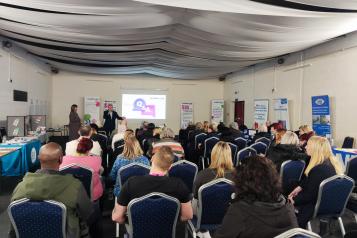
Our Annual Public Meeting went really well & thank you to all that attended

Our Annual Public Meeting was well attended and well received.

We wanted to say a big thank you to all the members of the public, volunteers, and especially all the support organisations that offered free advice and information to people.

A special thank you to our two guest speakers, Dr. Anand Rischie and Angela Poulton, who spoke about 'Primary Care Transformation', what it is and what it means to patients.

We appreciate the experiences and views you shared with us and continue to look forward to meeting members of the public in all the Walsall communities, visiting local groups, and working with existing support organisations and new ones.

27 November 2024
News

NHS 10-year Plan workshop invitation - Walsall

NHS 10-year Plan workshop invitation - Walsall
Monday 9 December 2024

NHS, Local Authority and voluntary, community, faith and social enterprise (VCFSE) staff are working harder than ever to get services back on track, to get waiting lists down and consistently deliver the best care.

We know change is needed. But we also know that many of the solutions we need are already here, working somewhere in the NHS today. In the Black Country we are already doing great work in this area and are supporting the NHS to tackle these challenges head on.

The NHS 10-Year Health Plan is a chance to innovate and adapt. It will make the best practice, normal practice across England.

We’ve been listening to your views on the good, bad, and sometimes frustrating regarding local health services and what helps keep people happy and healthy. Before we share these insights with NHS England to inform the NHS 10-Year Health Plan, we’d like to check in with local people and communities to make sure we’ve understood what’s been shared, and make sure we’ve not missed anything.

You are invited to join the conversation at our dedicated workshop in add place which will be held as follows:
Date: Monday 9 December 2024

Time: 10.00 (registration and refreshments)
10.30 - 1.00 pm workshop

Venue: St Johns Methodist Church, Victoria Avenue, Bloxwich, Walsall WS3 3HS

To book your place please register online or contact us by telephoning 0121 612 1444 or emailing involve.blackcountry@nhs.net

More ways to get involved

If you are unable to make it to the add place workshop, there are still other ways you can get involved:

Join our online event:
Date: Thursday 12th December 2024

Time: 6.00pm – 7.30pm

Platform: Microsoft Teams (joining link will be shared after registering)

Registration: Book a place for our online event here https://re-url.uk/W145

By attending one of our workshops in another area of the Black Country – more details and dates can be found on our website at: Current involvement opportunities :: Black Country ICB.

This is a once in a generation opportunity to make the NHS fit for the future. We hope you can make it and look forward to seeing you there.

21 November 2024
News

Winter vaccinations for people with COPD

This World Chronic Obstructive Pulmonary Disease (COPD) Day (Wednesday 20 November), people living in the Black Country who have COPD are being reminded of the importance of having a flu and COVID-19 vaccination this winter.

COPD is the name for a group of lung conditions that causes breathing difficulties in adults, including emphysema (damage to the air sac in the lungs) and chronic bronchitis (long-term inflammation of the airways).

Flu and COVID-19 can put extra strain on your lungs, which can have a significant effect on people with lung conditions such as COPD, making serious illness more likely.

There are more than 26,000 people in the Black Country who are living with COPD, and they are being encouraged to come forward for a flu and COVID-19 vaccine this winter.

Sally Roberts, Chief Nursing Officer for the NHS Black Country Integrated Care Board, said: “If you have a respiratory illness such as COPD, it’s really important that you look after yourself, especially in the winter when the weather gets colder and respiratory viruses start to circulate.

“It is important to top up your protection against these viruses, even if you have had a vaccine or been ill with flu or COVID-19 before, as immunity fades over time and these viruses change each year.

“Getting vaccinated is the best way to stay protected this winter, so I would encourage anyone eligible for a vaccine to come forward as soon as they can.”

As well as people with COPD, those eligible for a COVID-19 and flu vaccine includes:
• all adults aged 65 years and over
• people who live in a care home for older adults
• people aged 6 months to 64 years with health conditions that make them more
vulnerable
• frontline health and social care staff, including in care homes for older adults
pregnant women

Eligible people can book an appointment via the NHS website, on the NHS App or by calling 119. Calls to 119 are free from mobiles and landlines and the booking service provides support in 200 different languages. Those who have difficulties communicating or hearing or are a BSL user can use textphone 18001 or the NHS 119 British Sign Language (BSL) interpreter service.

21 November 2024
News

Protect yourself from slips and falls

With weather warnings in place and icy conditions outside, the NHS is reminding people to take care in the cold weather.

Slips, trips and falls all become more likely during cold, icy and snowy weather conditions, so it’s important to be mindful of the weather before venturing outside.

There are many steps that can be taken to reduce the chances of falling, including keeping hands free to help stabilise yourself, wearing shoes with good grip and avoiding going out early in the morning when frost is thick or late at night when it’s dark.

Dr Ananta Dave, Chief Medical Officer for NHS Black Country Integrated Care Board, said: “Falls can happen to anyone, especially when the weather is colder, wetter and there’s ice and snow on the ground. However, older people are even more vulnerable to such accidents.

“If they were to fall there is likely to be a bigger impact on their overall health, whether that be physically through injury or mentally and emotionally through loss of confidence and an increase in anxiety.

“As temperatures drop, streets can be extremely slippery underfoot due to snow and ice, so we would encourage all older people to take extra care when out and about.

“If you do need to go outside, wear shoes or boots with a flat, low heel and a slip-resistant sole to reduce slipping hazards and a good tread that helps to grip the surface. It’s important to keep warm and wear layers, both inside and outside, as when you’re cold you naturally tense up so you don’t move as well as you would normally.

“It’s also important to keep your hands free and wear gloves when walking so you can help stabilise or save yourself from a more significant injury if you were to fall. The more we rush, the more likely we are to fall, so plan ahead to give yourself plenty of time to complete an activity or get to an appointment.

“If you can, always try to let someone know what your plans are and what time you anticipate being home and be sure to have access to a mobile phone where possible so you can call for help if necessary.”

People are also being encouraged to check up on friends, relatives and neighbours who may be more at risk of a fall. Dr Ananta Dave added: “It’s critical we all do what we can to help each other stay well this cold weather spell.

“If you have elderly family members or friends, simple actions like making a phone call or ensuring they are stocked up on food and any prescription medicines they require takes no time at all but can make all the difference in keeping people safe and well.”


21 November 2024
News

Our latest Enter and View report for Grand Cedars Care home is now available

Read or download a copy.
21 November 2024
Report

Pagination

  • First page « First
  • Previous page ‹ Previous
  • …
  • Page 6
  • Page 7
  • Page 8
  • Page 9
  • Current page 10
  • Page 11
  • Page 12
  • Page 13
  • Page 14
  • …
  • Next page Next ›
  • Last page Last »

Footer menu - Primary

  • Jobs
  • Contact us

Find Healthwatch on social media:

Twitter External link icon Facebook External link icon Instagram External link icon
Opens in a new window Opens an external site Opens an external site in a new window YouTube External link icon LinkedIn External link icon RSS External link icon
Healthwatch logo

Footer menu - Secondary

  • Terms & conditions
  • Accessibility
  • Cookies
  • Privacy
  • Log in

© Healthwatch 2022